This op-ed was originally published in the Missoulian.
The confirmation of Steve Pearce as director of the Bureau of Land Management is another setback following years of hard-won progress in Indian Country. In recent years, tribes and Native organizations have fought for a future where the next generations can visit, hold ceremonies on our ancestral lands, and harvest our traditional foods and medicines from our ancestral lands.
With Pearce, a former oil executive in charge, our 245 million acres of federal public lands are at risk of sell-off for the benefit of corporate interests and oil and gas development.
Today, more federal lands than ever before are managed under the guidance of Tribal Nations. We have struck a balance between conservation, preservation of sacred places, and recreation and land use. Years of negotiations and public input into the future of Bears Ears National Monument led not only to the prohibition of oil and gas leases, but a balance of hunting and recreation with protections for cultural artifacts and ancient ceremonial sites. There’s more work ahead, but this is proof that tribal-federal co-management can work.
Under Biden, we saw improved tribal consultation. At the urging of thousands of Native peoples who signed letters, gathered on the National Mall, and lobbied the president, federal agencies were given an order to assess and improve the ways in which they consulted with tribes on developments that impacted their tribal lands. This was essential to fulfilling the promise of the Constitution’s mandate that tribes have free, prior and informed consent — a say, and approval or disapproval, on development and activities on their lands. Today, this progress faces huge setbacks from an administration set on selling off and developing our wildly popular public lands.
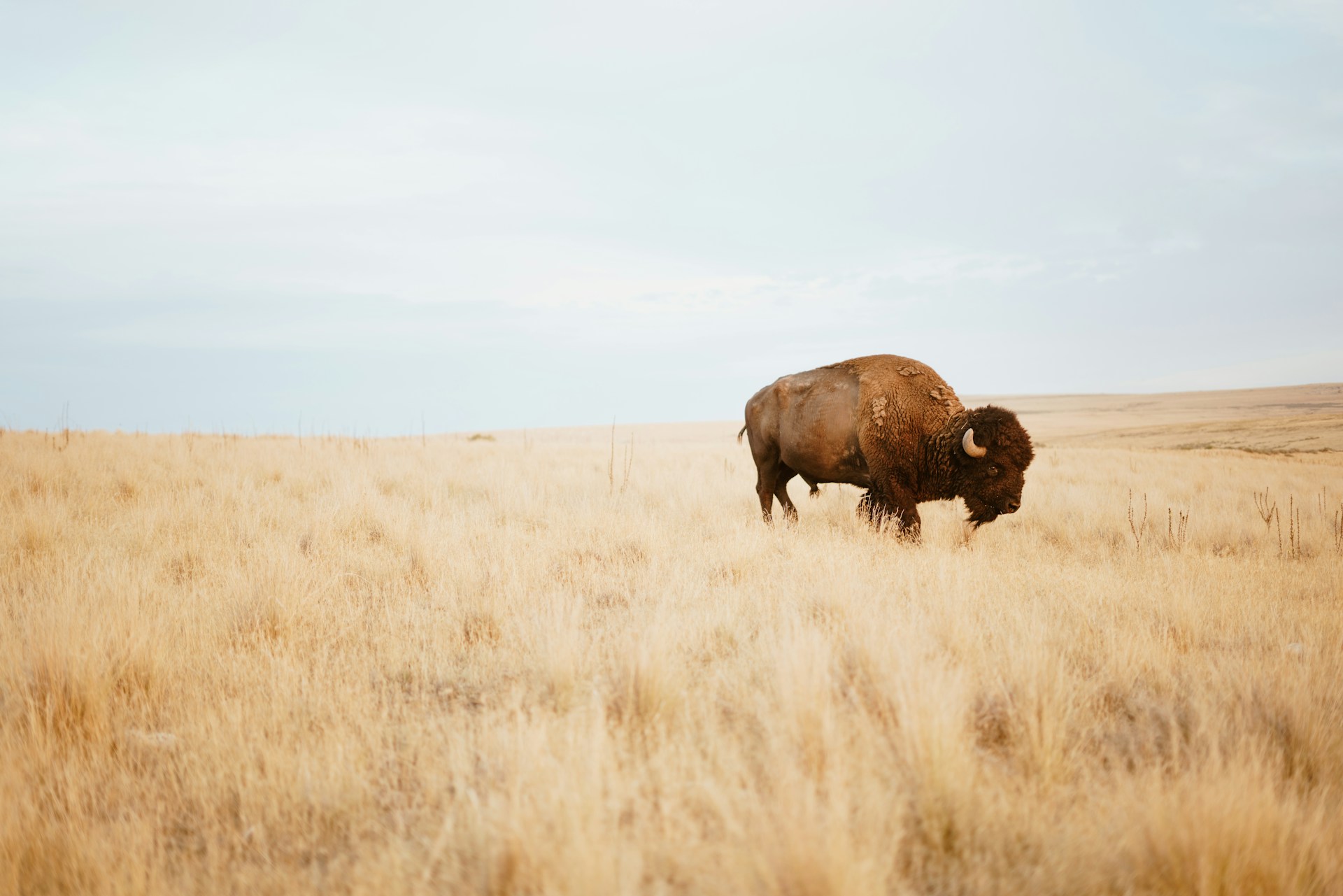
Recently, the Bureau of Land Management canceled grazing permits for bison in Montana. This move puts the health and future of this sacred animal that is a staple of Indigenous diets. The BLM showed it is in the pocket of private interests, caving to the demands of cattle ranchers who seek sole rights to grazing by their for-profit livestock operations.
The Trump administration has made no secret of its desire to monetize our public lands. This made Pearce a natural choice for Trump’s pick to manage public lands. Both former corporate executives, they believe there is profit to be made from our millions of acres of federal lands. Whether it’s opening up the Western Arctic for drilling leases; or opening up 13 million acres of public lands for mining dirty coal, an energy source even coal executives admit is on its way to extinction, this administration sees only dollar signs in our public lands.
This couldn’t be further from our Indigenous ways of thinking of our lands. We have always lived in a way that not only uses the abundant resources the earth provides us, but to manage them in a way that ensures these same resources will sustain for the next seven generations. I have no doubt that if our public lands, all of which are the ancestral homelands of our tribal nations, survive and thrive for generations to come, it will be because of the commitment and knowledge of the Native peoples.
“Sell-off Steve” at the head of our public lands program poses an extreme risk to the conservation, co-management, and tribal consultation gains of the last few decades. But as with all challenges, Indian Country faces them head on. Our responsibility to the lands, waters, and resources that have always sustained our families urges us forward to fight the good fight to protect the most sacred place of all, Mother Earth.